
Journeys Made for Slow Travel
The most memorable journeys are shaped by atmosphere, local insight and the feeling of being part of a destination rather than simply observing it. Late spring and early summer are wonderful seasons for this style of travel, when cafés spill onto sidewalks, gardens are in bloom and daily life invites visitors to experience a place as it is truly lived.
I’ve curated a selection of destinations and stays known for distinctive character, meaningful access and experiences designed to feel personal, immersive and deeply rewarding.
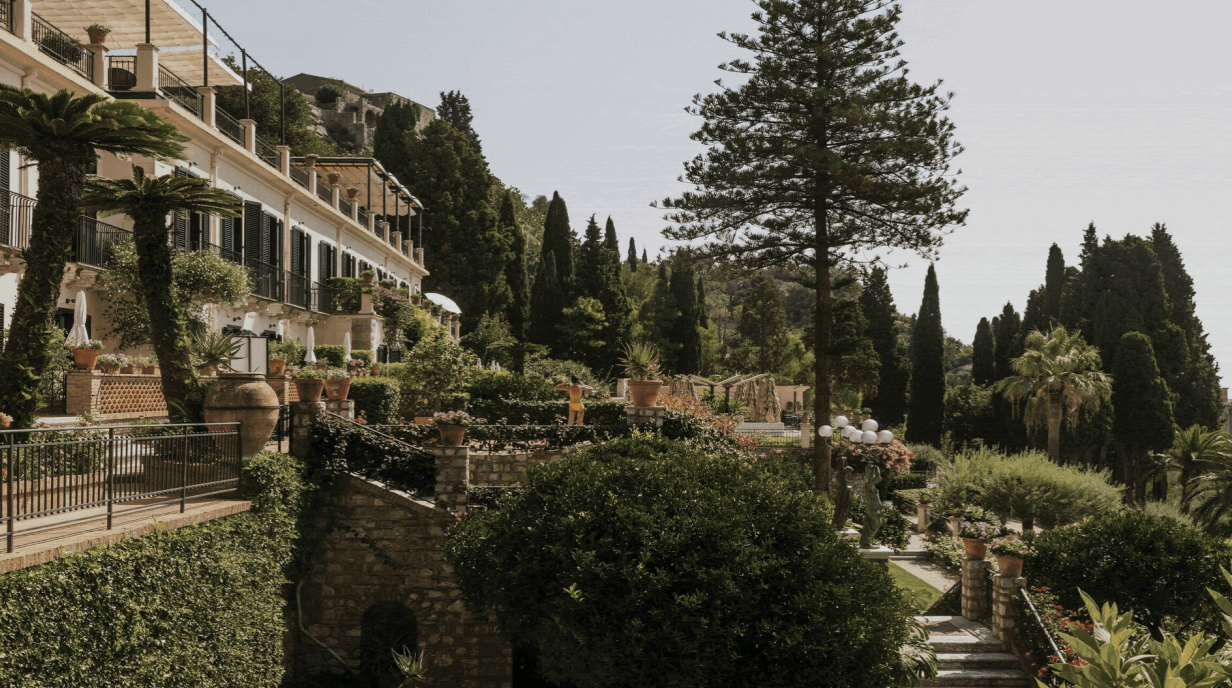
Certain destinations naturally invite a more thoughtful pace, where culture, craft and cuisine shape each day and discovery happens through small, memorable encounters. These stays are chosen for how beautifully they connect travelers to their surroundings through design, setting and the experiences they make possible.
Within these places, daily life becomes part of the journey itself. Conversations with artisans, meals rooted in regional tradition and unexpected introductions reveal a destination through its people and its stories.
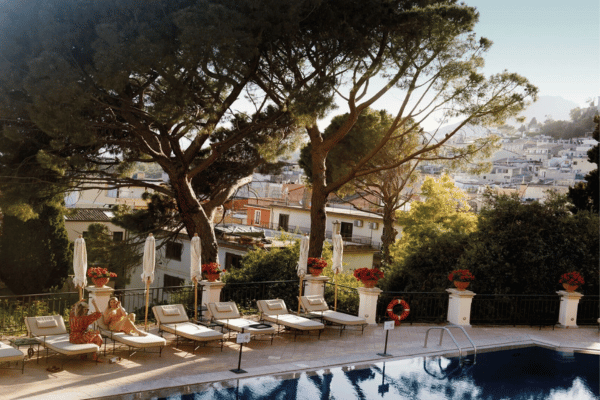
Grand Hotel Timeo, A Belmond Hotel
Taormina, Italy
Perched above the Ionian Sea with Mount Etna rising in the distance, this storied hideaway has long drawn writers, artists and travelers captivated by Sicily’s layered beauty. Days unfold between hilltop streets, ancient theatres and seaside villages, with citrus groves scenting the air and views that shift with the light.
Sicily reveals itself best over time — lingering in family-run cafés, meeting winemakers who have tended vines for generations and exploring fishing towns where daily life follows the tides. A thoughtfully designed stay allows space for both cultural depth and simple pleasures.
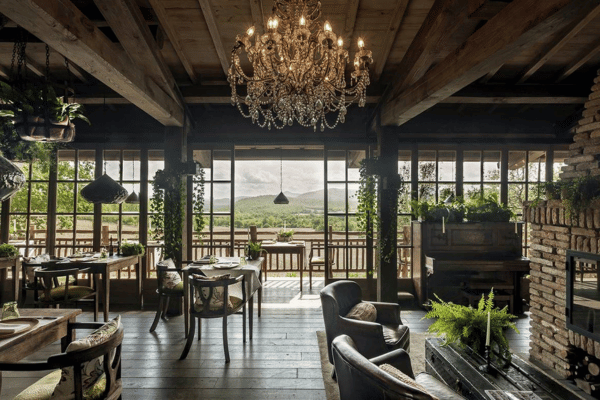
Borgo Santo Pietro
Chiusdino, Italy
Set among vineyards, gardens and farmland, Borgo Santo Pietro reflects Tuscany’s rural heritage with quiet refinement. Here, the day begins in the estate’s kitchen garden and ends at candlelit tables beneath olive trees, where ingredients rarely travel farther than a few steps.
This region invites immersion: truffle hunting with local experts, private tastings with vintners and time spent wandering medieval villages where craftsmanship is still practiced by hand. Here, time slows and moments are measured in meals, conversation and connection.
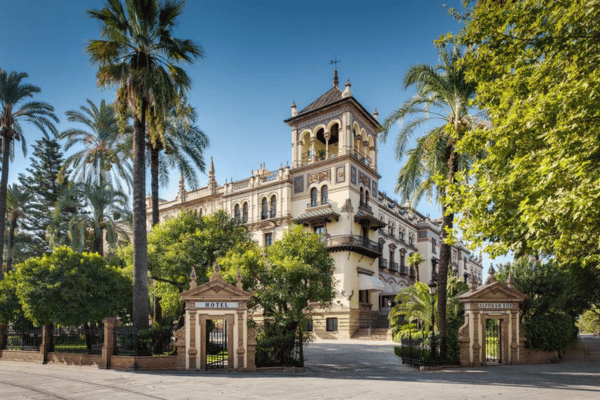
Hotel Alfonso XIII
Seville, Spain
With tiled courtyards, carved arches and architectural details shaped by centuries of cultural exchange, this landmark hotel reflects Seville’s layered heritage while placing guests close to its historic center. Its setting invites exploration of intimate tapas bars, lesser-known patios and workshops where ceramics and textiles are still crafted by hand.
Experiences unfold through sensory details — the sound of flamenco drifting from a courtyard, the scent of orange blossoms in the air, the glow of lantern light across tiled walls — revealing Seville’s character in ways that feel intimate and immediate.
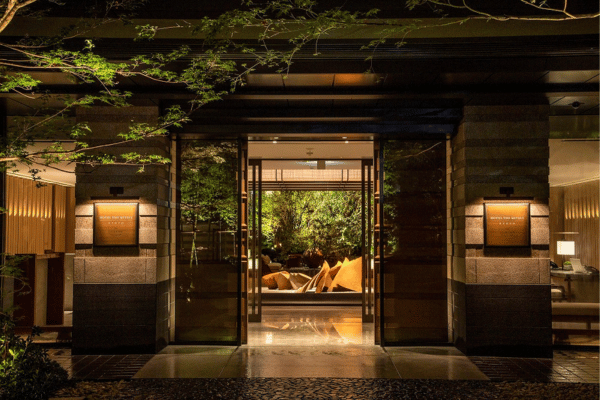
Hotel The Mitsui Kyoto
Kyoto, Japan
In Kyoto, even stillness carries meaning. Gardens are composed with intention, rituals unfurl with care and beauty is found in subtlety. Hotel The Mitsui Kyoto reflects this sensibility through restrained design and thoughtful use of traditional materials.
Kyoto is best experienced beyond its most famous landmarks, in quiet visits to neighborhood temples, private tea ceremonies and conversations with artisans preserving centuries-old techniques. Lingering reveals the nuances of countless gardens, lantern light at dusk and the hush of a stone pathway.
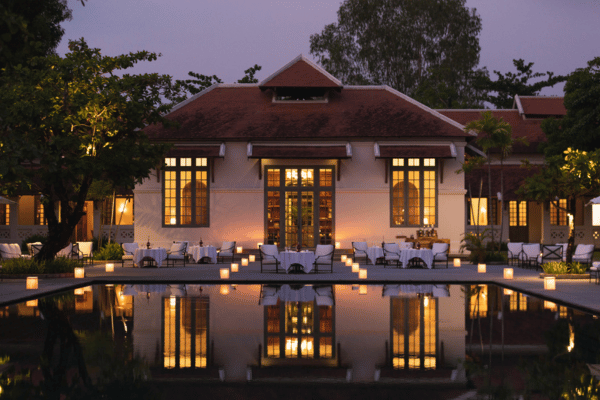
Amantaka
Luang Prabang, Laos
In the UNESCO-listed town of Luang Prabang, elegant historic architecture meets Buddhist tradition in a setting defined by calm. Wide verandas and shaded courtyards encourage unhurried days shaped by river breezes and temple bells.
Experiences reveal themselves gently through early almsgiving ceremonies, visits with silk weavers and sunset boat journeys along the Mekong. The pace is contemplative, the atmosphere grounding. It is a destination that invites reflection rather than spectacle.